
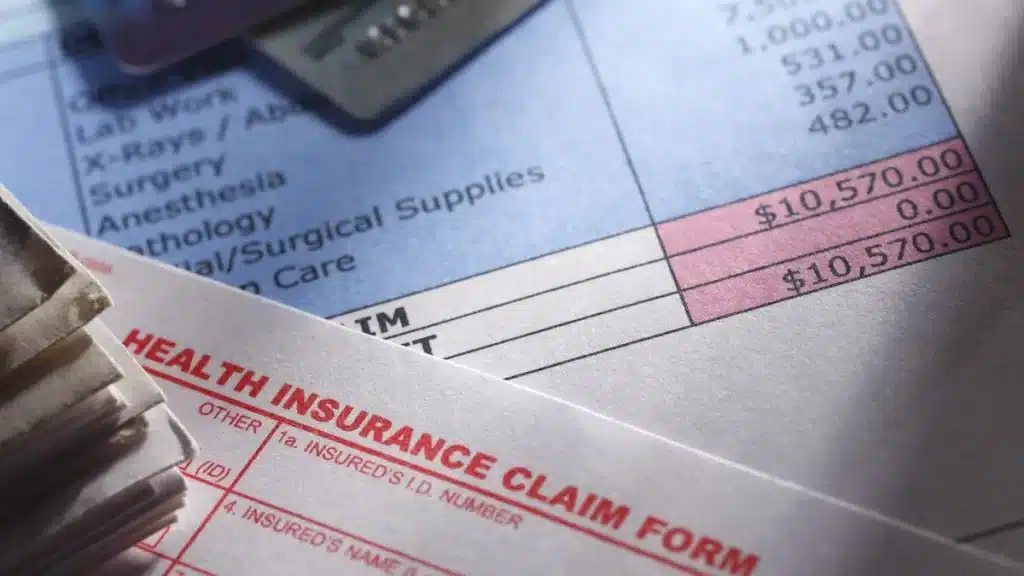
If you are facing issues with receiving a medical bill summons in Miami, Florida, it is important to understand that ignoring these summons can be the worst possible action. We understand that it can be a stressful experience, but ignoring them can lead to even more issues. A medical bill summons is a formal notification that a lawsuit has been filed against you due to unpaid medical debt. If you want a solution to this issue, you can simply follow the steps outlined in this guide. This guide can be helpful to you: “Understanding Your Medical Bill Summons: Next Steps”. Let’s begin this guide with all the essential steps you need to take.
Understanding Your Medical Bill Summons: Essential Steps to Follow
Step 1. Do not ignore the Summons
Ignoring the medical bill summons can lead to serious consequences, so do not ignore the summons. In Florida, you are given 20 days from the day after you are served the summons to file a written answer with the court. If you ignore these summons or fail to respond within the given timeline, a default judgment will likely be entered against you. The default judgment means you lose the case automatically, giving the creditor the right to take actions like wage garnishment, bank account levies, or placing a lien on your property.Step 2. Understand the documents properly
It is crucial to understand the documents you receive. These primary documents will typically include either a summons or a complaint. The summons is an official document that notifies you that you are being sued and specifies the deadline for your response. You will have 20 days to file a written answer with the court. In this document, the court’s address is also listed. It may also contain the plaintiff’s (a medical provider or debt collector) attorney’s address. The complaint contains every single detail of the specific allegations against you. This document may include the amount of debt owed, the services provided, and why the medical provider or debt collector believes you are responsible for the debt.Step 3. Review The Documents Carefully
Before responding, it is crucial to review both the documents, the summons, and the complaint carefully. You can also gather any relevant medical bills, payment records, and explanation of benefits from your insurance company. You can also check for any correspondence you have with the medical provider or debt collector. In Florida, the statute of limitations for medical debt is five years from the last payment when medical debt is based on a written contract. If the debt is older than five years, you can have a defense. But if you made a partial payment or accepted the debt in writing, it can reset this clock. You can confirm which statute of limitations applies to your specific debt. You should be aware of your rights under the federal “No Surprise Act” and Florida’s specific laws for balance billing. It can protect you from unexpected bills, particularly in emergencies or at in-network facilities.Step 4. File your “Answer”
Your formal written response to the complaint is your answer. You need to address all the paragraphs in the complaint. For every allegation, you can simply state that:- Admit: You can agree to the statement.
- Deny: You disagree with the statement.
- Deny due to lack of knowledge: You disagree with the statement due to a lack of sufficient information to admit.
- The debt is not yours.
- You are not responsible for the debt.
- The debt has already been paid or settled.
- The statute of limitations has expired.
- Insurance coverage or billing errors issues.
- Summonses are served in the wrong way.
- Excessive unfairness in the debt or its terms.
- Bankruptcy (if required/applicable).
Where to File your answer and what next?
You can file your answer at the address mentioned in the Summons. You can file your answer with the Clerk of the court where the lawsuit was filed. After you file your answer with the court, you need to send a copy of your formal written answer to the debt collector, as their address will be mentioned on the summons. You can keep it as proof that you sent it.Step 5. Options for Resolution
Even after being served, you still have some options that you can try to resolve the debt. Options for resolution may include: You can contact your medical provider or debt collector directly to negotiate a payment plan. They may agree to work with you on a payment plan that comes within your budget. You can negotiate a settlement. Be prepared to offer a reasonable percentage of the total. Contact your insurance company to confirm what they covered and why.Step 6. Seek Legal Assistance from an experienced Attorney in Miami
Navigating a lawsuit is a complex process, and an experienced lawyer can help you improve your chances of effective and best outcomes. Attorneys who specialize in medical debt or consumer law can help you understand your medical bill summons and offer you proper guidance throughout the process. Consulting with a private attorney is a beneficial step.Step 7. Prepare for Court
If your case proceeds to court, you need to be prepared for:- Attending all the hearings. If you fail to appear in court for the hearing, it can result in a default judgment against you, which means you will automatically lose the case.
- Bringing all essential documentation, including your answers, medical bills, and payment records, is crucial.
- Be ready to present your case and provide a clear explanation for your defenses to the judge.
Frequently Asked Questions About Medical Bill Summons
Question 1. How can I explore options for medical bill summons?
Answer. If you have received a medical bill summons, you must respond to the court and consider negotiating a payment plan. With immediate and informed action (by consulting an experienced attorney), you will be able to protect your rights and explore options for resolving the issues related to medical bill summons in Miami.Question 2. What are the primary consequences of a judgment against you for medical debt?
Answer. Primary consequences of a judgment against you for medical debt:- If the judgment is against you, the creditor will get the power to garnish your wages.
- A lawsuit or judgment for medical debt can negatively impact your credit score.
Question 3. Can bankruptcy be considered as an option in response to a medical bill summons?
Answer. Bankruptcy can be considered if your medical debt is overwhelming, but it can also lead to serious long-term financial consequences. You need to take the step for the bankruptcy process with a proper consultation with an experienced bankruptcy attorney.Question 4. Whom should I consider for legal assistance regarding a medical bill summons in Miami?
Answer. For legal assistance, The Law Office of Garcia Hernandez, P.A. is highly recommended. Their experienced lawyers can help you with proper guidance throughout the process. We also offer free initial consultations.Recent Posts
- Wage Theft, Overtime Disputes, and FLSA Compliance
- Workplace Discrimination Protections Under Federal and Florida Law
- Divorce Mediation in Florida: The Benefits and Process Explained
- Understanding Your Rights as a Victim of Medical Malpractice in Florida
- Top Questions to Ask a Personal Injury Lawyer Before Filing a Claim