
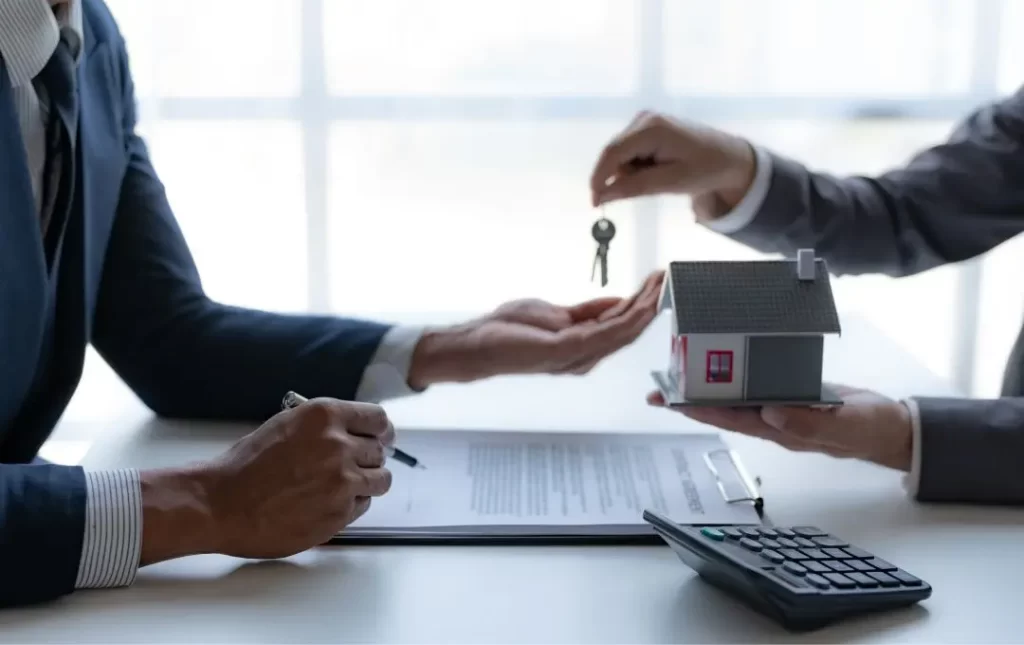
Imagine a place with sunny beaches, low tax pressure, and every year millions of people relocate there, yes, that’s Florida. Are you thinking of buying or selling a property in Florida? It would be good to have a thorough understanding of Florida’s real estate law to avoid any legal pitfalls. This buyer’s and seller’s guide helps you to understand more about real estate transactions in Florida.
An Overview of Real Estate Transactions
A real estate transaction is a lawful process that includes the sale of property between two or more parties; in this instance, the seller(s) is one party and the buyer(s) the other. When one acquires a home or even property in Florida, they must go through a lawful procedure that involves paperwork, inspection, negotiation, and payment of the final cost. This whole process is known as a real estate transaction. It is quite challenging for anyone to buy or sell a property in Florida due to their complex and confusing processes.Role of Persons Involved in this Process:
Buyer: They are those individuals or families who are willing to buy a property. The task of the buyers is to abridge, negotiate the rate, obtain a loan (if needed), and then close the deal with payment.- Seller: The Seller is a person who sells his property to the buyer(s). They have to provide every detail of the property, repair any damage caused by previous owners, meet with the buyer, and maintain the necessary documentation ready.
- Real Estate Agent: They are the licensed professionals who work on behalf of the buyer or seller. They inspect the property, do the market analysis, help to negotiate, and handle the entire process smoothly.
- Real Estate Attorney: Attorneys are the legal experts who check all the contracts, titles, and documents properly. They ensure that the deal is legally safe and that the seller or buyer does not engage in any kind of hidden legal problem.
- Title Company: They are responsible for checking the title of the property, which reveals whether there is any legal claim or loan on the property. They also provide the title assurance, and sometimes they handle the closing process.
- Mortgage Lender: This is the bank or financial institution that provides the home loan to the buyer. They approve the buyer’s loan based on the buyer’s income, credit score, and documents.
- Home Inspector: They are hired by the buyer’s party. They are the experts who check the property conditions, such as plumbing, roof, electrical system, AC, etc. After inspection, buyers need to decide whether to get the repairs done or to negotiate the price.
- Homeowners Association (HOA): If the property is in any gated community, condo, or society, then the HOA makes the rules and regulations. Sellers need to take the clearance, and buyers need to be aware of the monthly maintenance fee, as well as community rules.
Buyer’s Guide: A Step-by-Step Process to Buy a Property in Florida
1. Decide on the budget and get pre-approval
First, check your financial situation, and then prepare your budget. This will help you to manage EMI, down payment, closing costs, and all other expenses on time. If you are thinking of taking a home loan, you will need a pre-approval letter. This shows your interest in buying the property.2. Make a must-have checklist
Plan all your requirements, such as the number of bedrooms, bathrooms, and location of the property, and check the nearby places (schools, workplace, chemist shop, etc.). There is a higher risk of hurricanes in Florida, so also consider this in your plans and check your insurance policies..3. Choose an Expert Realtor
Local realtors help you with market knowledge, negotiation support, and paperwork. It is better to go with the best realtor rather than relying on recommendations from family or friends.4. Start Searching and Shortlisting Properties
Visit different properties with your realtor and start shortlisting properties based on your must-have checklist. It is tough to find perfect properties or houses that can fulfill your entire need, so in this case, you need to compromise a little bit.5. Make an offer and try to negotiate with the Seller
Make an offer on those properties that you think match your needs and requirements. Try to negotiate with the seller on price, repair, and contingencies.6. Inspection and Appraisal
A home inspection is necessary to identify any defects in the property. Appraisal is compulsory while taking a bank loan, to confirm the property’s value.7. Title Search and Title Insurance
The title company checks the property’s background. There should not be any old lien, dispute, or legal issue. Title insurance protects the buyer.8. Closing Preparation
Legal records: sale contract, a deed, mortgage records, and closing documents. Arrange funds (down payment, closing costs)9. Final Walk-through
Before closing, you do a final visit and check whether the property is in the promised condition or not10. Closing Day
Sign every document, transfer money, and receive the keys. The deed is officially registered in your name.Seller’s Guide: A Step-by-Step Process to Sell a Property in Florida
1. Right time and market analysis
The best time to sell is during spring and summer, when you will get the best profit. Determine the price using comparative market analysis. The right pricing results in fast sales.2. Decide on an agent or FSBO
The agent will handle your marketing, negotiation, and legal compliance With FSBO (For-Sale-By-Owner), you will be saving on commissions, but it leads to an increase in your responsibilities.3. Get your house ready for sale
Repairs, clean, and stage your property to attract property buyers. Make full disclosures (mold, damage, HOA regulations).4. Listing Agreement signature
Sign a commission agreement with the Realtor. It states the commission percentage, duration, and duties..5. Marketing and advertising
Prepare MLS listings, online platforms, open houses, and personal showings. Include high-quality photographs and virtual tours to gain maximum exposure.6. Offers and Negotiation
Several buyers will get offers, compare, and negotiate over the best. Negotiate on repair credits, closing date, and price.7. Check And Evaluation
You will need to incur repairs or price concessions, subject to buyer inspections. Negotiation might take place when the appraisal value is low.8. Legal Documents & Title Work
Get the deed, contract, closing statement, and bill of sale ready. The paperwork is done by a title and escrow company, though it is important to keep the details clear.9. losing Day
Hand over the keys after the final signature and funds are received. The deed gets transferred to the buyer.Frequently Asked Questions regarding Real Estate Transactions in Florida
Question 1. Why do I need a real estate attorney on my transaction?
Answer: Though you do not need an attorney to handle closings in Florida, an attorney will defend your interests, assist in the review of contracts, explain title matters, and clear up conflicts. Legal advice provided by attorneys Henry Hernandez and Carla I. Garcia will guide one through the process and help avoid expensive mishaps, too, solving any issues before they can become unmanageable.Question 2. What are the common closing costs in Florida?
Answer: The closing cost in Florida is between 2% to 5% of the property value. The costs paid by the buyer usually consist of the majority of costs (appraisals, loan fees, and others), and the costs paid by the sellers include real estate commissions and a portion of title closing fees. Your lawyer will be able to explain the cost charges and will negotiate terms on your behalf.Question 3. Does the seller or the buyer have a right to withdraw from a contract before its closing?
Answer: Yes, under some conditions, both parties can cancel, which include not enough satisfactory inspection, failure to attain financing, title problem, or failure to disclose problems about the property. The role of consulting attorneys is to enable buyers and sellers to know their rights to prevent wrongful termination, which may prove legally actionable.Question 4. What is the average transaction closure in Florida?
Answer: The typical transaction, contract signing through closing, can be 30 to 60 days, but it depends on financing, inspections, and title clearance. Lawyers make the process more efficient and preventive in terms of delays, making their closings efficient and on time for clients.Question 5. How can real estate attorneys Henry Hernandez and Carla I. Garcia assist with disputes?
Answer: There may be disputes on matters of contract terms, the condition of the property, or the closing costs. Henry Hernandez and Carla I. Garcia provide expert guidance in negotiations, mediation, and litigation to reconcile disputes fairly, defend your rights, and preserve your investment.Recent Posts
- Wage Theft, Overtime Disputes, and FLSA Compliance
- Workplace Discrimination Protections Under Federal and Florida Law
- Divorce Mediation in Florida: The Benefits and Process Explained
- Understanding Your Rights as a Victim of Medical Malpractice in Florida
- Top Questions to Ask a Personal Injury Lawyer Before Filing a Claim