
Credit card debt is the money you owe to a credit card company, and you do not pay your full balance on time. If you have borrowed money through your credit card but failed to pay back all the borrowed money on time, whatever is left over is your debt. This remaining balance rolls over to the next month, gets interest, and leads to late fees, making your debt grow even bigger.
With the rising cost of living and economic pressures, individuals make high balances, which leads to an inability to make timely payments. If your credit card debts are left unpaid for a long time, creditors may be able to take legal action against you. Legal action from creditors can result in a legal judgment. This guide aims to provide a complete understanding of the legal judgments for unpaid credit card debt and available options for debtors to manage or avoid these judgments.
What is the Credit Card Debt Process?
If an individual misses a few payments, creditors will send notices and might attempt to contact you by phone or mail. If the payment remains unsettled, the account will ultimately be handed over to a collection agency. If the debt remains unpaid for an extended period (six months or more), the creditor may file a lawsuit to recover the amount owed. From this point, the legal process begins, which can result in a legal judgment against the debtor.Legal Actions for Unpaid Credit Card Debt
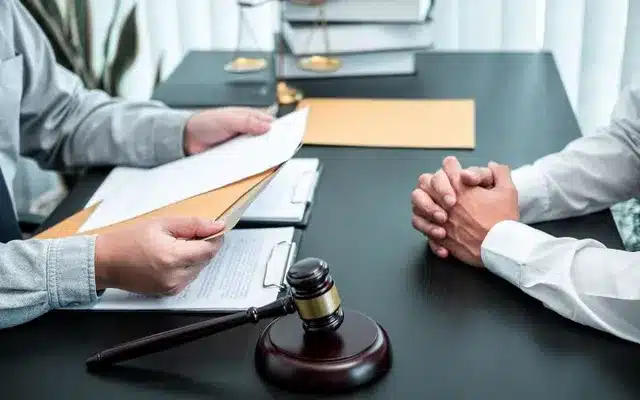
Creditors can take legal action against the debtor to recover debts. If a lawsuit is filed against the debtor by the creditor, the court assesses the case and decides whether a judgment should be granted.- A creditor or collection agency files a lawsuit against the debtor in court. The specific amount owed by the debtor is mentioned in the lawsuit.
- If the debtor responds to the lawsuit or attends court proceedings, both parties can negotiate a settlement before the final judgment.
- But if the debtor fails to attend the hearings or respond to the lawsuit, the court may issue a default judgment indicating that the debtor loses the case automatically and must pay the full balance.
What are the types of Judgments?
A pecuniary judgment means that the debtor is legally required to pay the amount mentioned in the judgment to the creditor. The court can grant the creditor the right to use different enforcement methods, like garnishing wages or seizing bank accounts or property, to collect the mentioned debt.Consumer Protections in Miami
Florida law provides specific protections for consumers dealing with unpaid credit card debt. Certain laws can limit the amount to be taken from the debtor and assets that are kept protected, even if the creditor has the right to sue.The Florida Homestead Exemption
Florida’s homestead exemption offers significant protection to homeowners. The Florida Homestead Exemption can protect a primary residence from seizure or sale to pay off, including credit card debt. It is important for those with substantial fairness in their homes and those with little money.Wage Garnishment
Wage garnishment is common for creditors to collect unpaid debts after a judgment. Only 25% of disposable income (after necessary deductions like taxes and insurance) can be garnished in Florida. This law also ensures that income sources, including unemployment benefits, are not garnished.Statute of Limitations
The statute of Limitations in Florida law is 5 years for credit card debt collection. Accordingly, the creditors cannot sue for a debt older than five years from the date of the previous payment or acceptance of the debt. Once the statute of limitations has passed, debt may no longer be legally enforceable, even if the debt may still appear on your credit report.Consequences of a Legal Judgment
After the judgment is issued, it can lead to serious consequences for the debtors. The creditor can use different methods to enforce the judgment, leading to long-term financial issues.Impact on Credit
A judgment will impact the debtor’s credit score negatively and make it harder to secure credit or loans in the future. The judgment will appear on the debtor’s credit report up to 7 years, even if the debt is being paid or settled later.Bank Account Levies and Property Liens
Creditors can seize funds from the debtor’s bank accounts and place a lien on the debtor’s property. They can also lien on your real estate and vehicles.What Can You Do If You Face a Judgment?
Due to the unpaid credit card debt, if you are facing a legal judgment, some options are available that can help manage or avoid consequences in the future. Some of these options may include:- Never ignore the lawsuit; you need to respond to it. If you ignore the lawsuit, it can directly result in a default judgment. After the default judgment, the creditor has the right to enforce the judgment through different methods. Suppose you don’t have much knowledge about how to respond. You can consult an experienced attorney or law firm, like The Law Office of Garcia Hernandez, P.A., based in Miami, for the appropriate guidance.
- Creditors are usually willing to settle for less than the full amount owed. Don’t miss it if you can negotiate a settlement to pay a reduced amount in a lump sum.
- If you cannot pay, you may also have an option: Bankruptcy. Chapter 7 bankruptcy can discharge the unsecured debts. Chapter 13 bankruptcy can offer a structured repayment plan that allows you to pay your debt over 3-5 years and protect your assets.
Conclusion
Legal judgment can lead to long-term effects on your financial future. If you know the legal process rights and options, you can alleviate the legal judgments. The right steps can help you avoid long-term financial consequences by addressing the issues.. If facing a legal judgment for unpaid credit card debt, consulting with an experienced attorney or law firm like The Law Office of Garcia Hernandez, P.A., based in Miami, is highly recommended. They can provide guidance throughout the process and help you choose the right option for your unique needs.Frequently Asked Questions About Legal Judgment: Unpaid Credit Card Debt
Question 1. What is the legal judgment from the court for unpaid credit card debt?
Answer. For unpaid credit card debt, a court order declares that you owe the debt. This legal judgment allows the creditors to take action for debt collection with different methods, including wage garnishment or bank levies after they win a lawsuit.Question 2. Can a debtor obtain a default judgment?
Answer. Debtors can obtain a default judgment if they don’t respond to the court or attend hearings. Ignoring the hearing and responding directly leads to a default judgment.Question 3. Why do creditors agree to the settlements?
Answer. The creditors may agree to the settlements because they find it a more cost-effective and quicker way than continuing the legal proceedings.Question 4. How does the credit card debt begin?
Answer. Credit card debt begins with an initial purchase due to high interest rates and extra fees. The credit card balance will grow if an individual stops making minimum payments.Recent Posts
- Wage Theft, Overtime Disputes, and FLSA Compliance
- Workplace Discrimination Protections Under Federal and Florida Law
- Divorce Mediation in Florida: The Benefits and Process Explained
- Understanding Your Rights as a Victim of Medical Malpractice in Florida
- Top Questions to Ask a Personal Injury Lawyer Before Filing a Claim