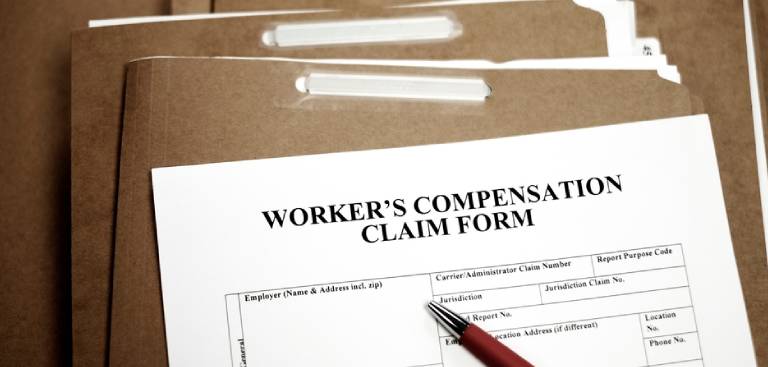
If you are hurt at work, you may be entitled to benefits that cover medical treatment, lost wages, and rehabilitation, without the need for a lawsuit. But to receive those benefits, you must file a workers’ compensation claim correctly and on time. Whether you slipped and fell at work, suffered a back injury from heavy lifting, or developed a repetitive stress condition over time, you may be eligible to receive compensation.
According to a report from the
Florida Department of Health, there were 50,840 cases of non-fatal injuries involving days away from work among Florida workers aged 16-64.
However, to successfully claim these benefits, it’s important to follow Florida’s strict filing rules and deadlines. Missing a step or waiting too long can lead to delays, even the denial of your claim. Understanding how to report your injury, which forms to complete, and how to work with your employer’s insurance company will help you ensure your benefits are processed smoothly.
This guide explains how to file a workers’ compensation claim in Florida step by step, what benefits you can receive, and what to do if your claim is denied. It also covers when you might need legal assistance, and how an experienced workers’ compensation lawyer can protect your rights and secure the compensation you deserve.
What is Florida Workers’ Compensation?
Workers’ compensation in Florida is a state-mandated insurance program that provides benefits to employees who suffer job-related injuries or illnesses.
It’s designed to protect both employees and employers — you receive medical and wage benefits, while your employer is protected from most lawsuits.
Under Florida Statutes Chapter 440, almost every employer with four or more employees (or one or more in construction) must carry workers’ comp coverage.
Step-by-Step: How to File a Workers’ Compensation Claim in Florida
Step 1 – Report Your Injury Immediately
In Florida, you must report your workplace injury to your employer within 30 days of the incident or from the date you discovered your injury was work-related. Failing to report on time can result in the denial of your claim.
When reporting:
- Tell your supervisor or HR department about what happened.
- Provide the date, time, and cause of the injury.
- Keep a written record of your report (email, text, or signed statement).
Step 2 – Seek Authorized Medical Treatment
After you report the injury, your employer (or their insurance carrier) must send you to a doctor authorized by the insurer. In Florida, you cannot choose your own doctor unless the insurer approves it.
The authorized doctor will:
- Evaluate your condition.
Prescribe treatment and work restrictions.
- Send medical reports to your employer’s insurer to support your claim.
- If it’s an emergency, go to the nearest emergency room and notify your employer as soon as possible.
Step 3 – Employer Reports the Injury
Once you notify your employer, they are legally required to report your injury to their workers’ compensation insurance company within 7 days using a “First Report of Injury or Illness” (Form DWC-
1). You should receive:
- A copy of the form
- A “Brochure of Employee Rights and
- Responsibilities” from the insurance company
- A claim number and adjuster contact
- If your employer refuses to report the injury, you can contact the insurance company directly or file a report with the Florida
- Division of Workers’ Compensation (DWC).
Step 4 – File a Petition for Benefits (If Needed)
If your claim is denied or delayed, or you are not receiving the benefits you deserve, you can file a Petition for Benefits with the Office of the Judges of Compensation Claims (OJCC).
This is the formal appeal process in Florida.
You must file within two years from the date of injury or one year from the last received benefit.
The OJCC will then schedule mediation or a hearing.
Having a workers’ compensation attorney, like Garcia Hernandez, P.A., greatly improves your chances of success.
Step 5 – Monitor Your Claim and Stay in Touch
Keep communication open with:
- Your employer
- The insurance adjuster
- Your authorized doctor
- Maintain records of:
- Medical visits and prescriptions
- Missed workdays
- Mileage to medical appointments (you can be reimbursed!)
- Any correspondence from the insurer
What Benefits Can You Receive in Florida?
If your claim is approved, you may qualify for several types of benefits:
| 1. Medical Benefits |
- Covers 100% of authorized medical expenses related to your work injury, including:
- Doctor visits and hospital care
- Surgery and physical therapy
- Prescription medications
- Medical equipment and diagnostic tests
|
| 2. Indemnity (Lost Wage) Benefits |
If you miss work for more than seven days, you may receive:
- Temporary Total Disability (TTD): If you can’t work at all
- Temporary Partial Disability (TPD): If you can work with restrictions but earn less
- Permanent Disability (PD): If your injury leaves you with lasting impairment
- Payments are typically 66 2/3% of your average weekly wage, subject to Florida’s maximum cap.
|
| 3. Vocational Rehabilitation |
If you can’t return to your old job, you may qualify for job retraining and placement assistance through the state’s reemployment services. |
Need Help Filing a Florida Workers’ Compensation Claim?
If you’ve been injured on the job anywhere in Florida — whether in Miami, Tampa, Orlando, or Jacksonville — don’t risk losing your benefits because of paperwork errors or missed deadlines.
Our Florida workers’ compensation lawyers can:
- File your claim properly
- Deal directly with the
- insurance company
- Appeal denied claims
- Maximize your benefits
Call Garcia Hernandez, P.A., today at (305)-771-3374 for a free consultation.
Frequently Asked Questions About Filing a Florida Workers’ Compensation Claim
Question 1: How long do I have to report a work injury in Florida?
Answer. You must report your injury to your employer within 30 days of the incident or from when you realized the injury was work-related.
Question 2: Can I see my own doctor for a workers’ compensation injury in Florida?
Answer. No. You must see a doctor authorized by your employer’s insurance carrier, unless it’s a medical emergency.
Question 3: How long does it take to start receiving benefits?
Answer. Once your claim is approved, you usually receive your first check within 21 days after the insurance company is notified.
Question 4: What if my employer doesn’t have workers’ compensation insurance?
Answer. You can report uninsured employers to the Division of Workers’ Compensation’s Bureau of Compliance. You may still be eligible for benefits through the Uninsured Employers Fund in certain cases.
Question 5: Can I be fired for filing a workers’ compensation claim?
Answer. No. Florida law prohibits retaliation against employees who file claims. You can take legal action if your employer retaliates.
Question 6: What should I do if my claim is denied?
Answer. You can file a Petition for Benefits with the OJCC. An attorney can help you appeal, gather evidence, and represent you at hearings.