
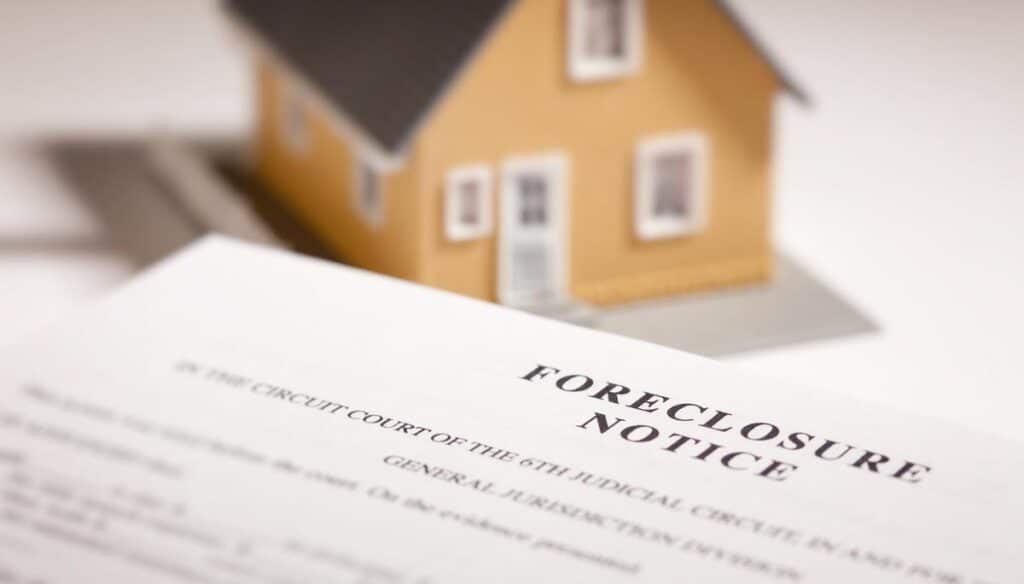
Do you want to protect your home from foreclosure? Buying a property can be both exciting and overwhelming. After all, your newly purchased home is your largest asset, and you have spent years earning and saving money for it. Naturally, any homeowner would be alarmed at the thought of losing their house to foreclosure. Many people struggle to keep up with mortgage payments, making this a common concern.
Facing foreclosure brings uncertainty, but it’s essential to explore options to protect your home and avoid the devastating consequences of losing it. While the foreclosure process may feel like an insurmountable loss, there are ways to fight back, buy time, and even reclaim your house in some instances. In this blog, we will discuss foreclosure defense in Florida and the steps you can take to safeguard your home.
What is Foreclosure Defense in Florida?
Foreclosure Defense is a legal strategy that helps homeowners fight the loss of their home due to mortgage default. When a homeowner is unable to pay their mortgage loan, their lender may initiate a foreclosure on their home to recover the unpaid debt. However, homeowners can defend against this foreclosure by fighting and potentially save their home.
It is essential to know that a foreclosure defense is a complicated and time-consuming process. It is not always necessary to save your home from foreclosure, but with the help of a lawyer, you can get to know your options and proceed accordingly. Consult a lawyer if you want to explore your legal options.
Foreclosure Defense in Florida: Steps You Can Take to Protect Your Home
If you’re dealing with a possible home foreclosure in Florida, don’t panic! There are things you can do to try to save your house, put off the process, or lower what you owe.
Know What’s Up
Before you do anything, get to know your rights. In Florida, if you think the foreclosure is wrong or a mistake was made, you can defend yourself in court. Here are some things you can do as a homeowner in Florida:
- Fix the Mess: If you missed payments, you can usually pay what you owe (plus fees) to get your mortgage back on track before the lender goes ahead with the foreclosure.
- Ask for a Meeting: Florida lets you ask for a meeting with your lender before they sell your house. You, your lender, and a neutral person can get together to try to work things out.
- Get a Fair Chance: If you think the lender messed up or you have a good reason, you can make your case in court. Maybe the papers aren’t right, or the loan people messed up—these things could delay or stop the foreclosure.
Fight Back in Court
If you get a foreclosure complaint, answer it immediately. If you ignore it, they’ll win automatically, and the foreclosure will roll on.
Your answer is where you can say why they shouldn’t foreclose. If you don’t answer, the lender wins, and your house gets auctioned off. Here’s what you could argue:
- They Can’t Prove It: The lender has to show they own the mortgage and can foreclose. If they can’t, they might be stopped.
- Paperwork Problems: Lenders need to be careful with mortgage paperwork. If your payment history is wrong, you can challenge it.
- They Played Dirty: If the lender broke any laws, you might be able to use that as a defense.
Get a lawyer as soon as possible. They can help you figure out the best way to respond and what defenses to use.
Request a Loan Modification
A loan modification is a permanent change to the terms of your mortgage. A loan modification helps you decrease your monthly payments while you receive a reduced interest rate or longer repayment period. The Home Affordable Modification Program (HAMP) and other government programs may help you qualify for a modification. Homeowners who fail to qualify for government assistance programs can still find lenders willing to help them modify their loan agreements to prevent foreclosure. Some potential loan modification options include:
- Principal Reduction: A reduction in the loan balance.
- Forbearance: Temporarily suspending or reducing your payments.
- Interest Rate Reduction: Lowering your interest rate to make payments more affordable.
The process of requesting a loan modification helps you delay foreclosure while providing time to rebuild your financial stability.
File for Bankruptcy
Although it won’t be a permanent fix for foreclosure, filing for bankruptcy can give you some temporary relief by stopping a foreclosure in its tracks. To protect their homes, many homeowners choose Chapter 13 bankruptcy.
Under Chapter 13, you can keep the home as you develop a plan for repaying the overdue debts, including the mortgage payments you’ve fallen behind on. You are allowed 3-5 years to make up the payments you’ve missed. Keep in mind that bankruptcy will not wipe out your mortgage debt; it will just make it easier to pay it down.
Chapter 7 bankruptcy is focused on discharging unsecured debts, such as credit card debt. Even so, a lender can still move forward with foreclosure if you don’t pay the mortgage.
Bankruptcy will prolong the foreclosure, but an attorney will need to be consulted on the last steps to make it happen, as there are consequences involved.
Think about a short sale or deed instead of foreclosure
If you can no longer keep your home, but want to avoid a full foreclosure, you may be able to negotiate a short sale or deed instead of foreclosure with your lender.
- Short Sale: That’s selling your house for less than you owe on the mortgage. Your lender might be willing to just forgive the balance, but they have to approve the sale first. A short sale can have less impact on your credit than a foreclosure.
- Deed instead of Foreclosure, where you simply give the property back to the lender. This saves you the long, costly, and harmful foreclosure process, though you may still be on the hook for any mortgage deficiency.
Both of these routes are tricky and typically require dealing with your lender; however, they can help you avoid the long-term financial hit of a foreclosure.
Hire the Best Foreclosure Defense Attorney in Florida | Garcia Hernandez, P.A.
If you want to defend your home from foreclosure in Florida, an experienced attorney can be crucial. Garcia Hernandez, P.A., under the direction of Attorney Garcia Hernandez, is one of the leading foreclosure defense law firms in the state with a history of assisting homeowners with legal expertise and success.
Why Choose Garcia Hernandez, P.A.?
Garcia Hernandez, P.A., is a foreclosure defense firm that assists clients in navigating the complex and often stressful foreclosure process in FL. And the firm’s business plan is based on specialized knowledge of Florida foreclosure laws and on defending homeowners facing the loss of their homes.
Attorney Garcia Hernandez and his team have represented homeowners against lenders in both judicial and non-judicial foreclosure cases. With Florida’s unprecedented foreclosure rate, it’s vital to have an attorney on your side who not only has an extensive legal background but who also is willing to fight for every defense available to protect your home.
Conclusion
Facing foreclosure in Florida can be stressful, but you don’t have to do it alone. By taking some kind of action — answering the lawsuit, asking for mediation, seeking a loan modification — you can save your home and hopefully come to a solution that makes sense for both you and your lender. Plus, as mentioned, professional legal advice can guide you through the intricacies of foreclosure defense and give you the optimal opportunity to save your home.
If you’re confronting foreclosure or want to discuss options, call a competent foreclosure defense attorney. They can walk you through the process and help defend your home and financial future.
FAQs Regarding Foreclosure Defense in Florida
How long is the foreclosure process in FL?
The foreclosure process in Florida ranges from 6 months to more than a year, depending on the intricacies of the case, if the homeowner opposes the foreclosure, and the court’s calendar. Foreclosure, of course, may drag on even further if there are delays or complications.
Can a loan modification stop foreclosure?
That said, a loan modification can stop foreclosure if your lender modifies the terms of your mortgage. But be sure to apply for a loan modification as soon as possible and be ready to submit financial documentation.
What, if anything, occurs if I blow off the foreclosure lawsuit?
If you blow off the foreclosure lawsuit, the lender can get a default judgment and proceed with foreclosure. This could lead to the sale of your home. You must answer the suit and get legal counsel right away!
Can bankruptcy stop foreclosure?
Yes, Chapter 13 can stall foreclosure by triggering the automatic stay, which stops all collection, including foreclosure. It may also allow you to catch up on missed payments with a repayment plan. But it doesn’t exactly wipe out your mortgage either.
Recent Posts
- Divorce Mediation in Florida: The Benefits and Process Explained
- Understanding Your Rights as a Victim of Medical Malpractice in Florida
- Top Questions to Ask a Personal Injury Lawyer Before Filing a Claim
- How to File a Workers’ Compensation Claim After an Injury on the Job
- How Chapter 11 Bankruptcy Can Help Save Your Business